A1.2 · ELE
Dos palabras, dos mundos · Por y paraTwo Words, Two Worlds · Por and Para
A1.2 · Práctica oralA1.2 · Speaking practice
En esta claseIn this lesson
Al final podrás explicar la diferencia entre dos frases casi iguales con por y para.By the end, you'll explain the difference between two almost identical sentences with por and para.
En inglés las dos son muchas veces «for», pero en español miran a dos mundos distintos.In English both are often "for", but in Spanish they look at two different worlds.
PARA adelanteforward
POR causa y caminoreason and way
En cada sala hay dos cuadros y dos frases casi iguales. Solo cambia una palabra: por o para. Di qué frase va con cada cuadro y explica por qué.In each room there are two paintings and two almost identical sentences. Only one word changes: por or para. Say which sentence goes with each painting and explain why.
El cuadro 1 va con la frase B, porque aquí «para» es el destino.
Cuadro 1 → frase BPainting 1 → sentence B
Trabajo por mi padre.
Él está enfermo y no puede trabajar. Él es la causa: yo trabajo por él.He is sick and can't work. He is the reason: I work because of him.
Cuadro 2 → frase APainting 2 → sentence A
Trabajo para mi padre.
Mi padre es el jefe. Yo trabajo para su empresa: él recibe mi trabajo.My father is the boss. I work for his company: he receives my work.
Cuadro 1 → frase BPainting 1 → sentence B
Voy para la estación.
La estación es su destino: él va a tomar un tren y tiene prisa.The station is his destination: he is going to take a train and he's in a hurry.
Cuadro 2 → frase APainting 2 → sentence A
Camino por la estación.
Él no tiene tren hoy. Pasea por dentro de la estación: es el lugar por donde camina.He isn't taking any train. He walks around inside the station: it's the place he walks through.
Lee cada frase y di si está bien. Si no, corrígela. Luego toca la tarjeta. Las tarjetas ⚡ son un repaso relámpago de los posesivos (A1).Read each sentence and say if it is right. If not, fix it. Then tap the card. The ⚡ cards are a lightning review of possessives (A1).
Cuadro 1 → frase BPainting 1 → sentence B
Pago 300 dólares por este alce.
Por + precio: es el dinero que Clara da a cambio del alce.Por + price: it's the money Clara gives in exchange for the moose.
Cuadro 2 → frase APainting 2 → sentence A
Este alce es para ti.
Para + persona: su compañero recibe el regalo. (¡Pobre!)Para + person: her colleague receives the gift. (Poor guy!)
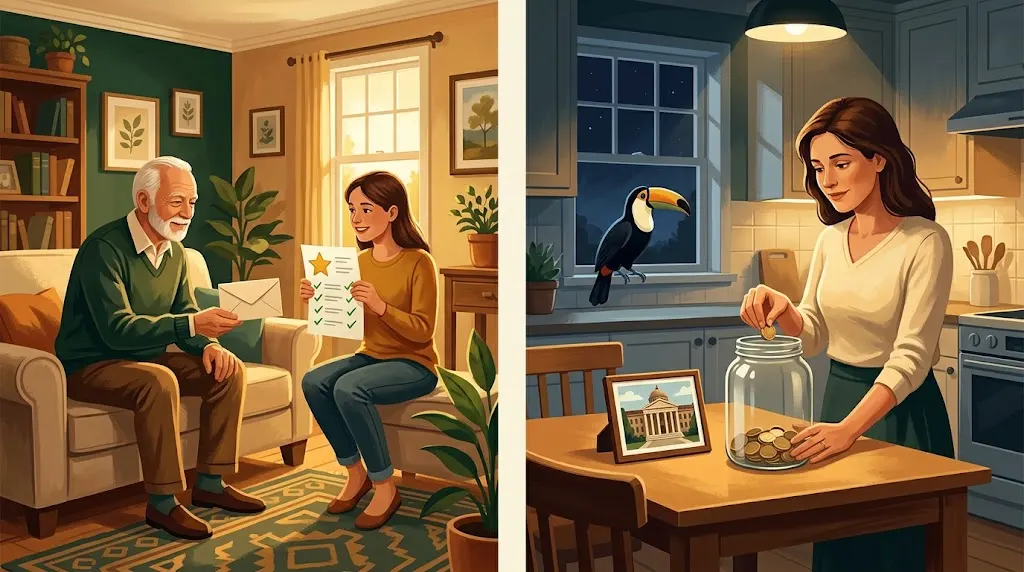
Cuadro 1 → frase APainting 1 → sentence A
Este dinero es por tus notas.
Las notas son la causa: es un premio. Por mira hacia atrás.The grades are the reason: it's a prize. Por looks back.
Cuadro 2 → frase BPainting 2 → sentence B
Este dinero es para la universidad.
La universidad es la meta: el dinero es para el futuro. Para mira hacia adelante.University is the goal: the money is for the future. Para looks forward.
Elige por o para y toca la tarjeta para comprobar. Ojo: las parejas casi son iguales.Choose por or para and tap the card to check. Careful: the pairs are almost the same.
Cuadro 1 → frase APainting 1 → sentence A
Gracias por el café.
Después de «gracias» va siempre por: el café es la causa de las gracias.After "gracias" always comes por: the coffee is the reason for the thanks.
Cuadro 2 → frase BPainting 2 → sentence B
Este café es para mí.
Para + persona: él es la persona que recibe el café. Y no comparte.Para + person: he is the person who gets the coffee. And he doesn't share.
Cuadro 1 → frase BPainting 1 → sentence B
Estudio español para mi viaje.
El viaje es su meta: él quiere hablar español en el Caribe.The trip is his goal: he wants to speak Spanish in the Caribbean.
Cuadro 2 → frase APainting 2 → sentence A
Estudio español por mi novio.
Su novio es la causa: la familia de su novio no habla inglés y ella quiere entender las conversaciones.Her boyfriend is the reason: his family doesn't speak English and she wants to understand the conversations.
Di la frase en voz alta con las palabras en orden. Después toca la tarjeta.Say the sentence out loud with the words in order. Then tap the card.
Lee la frase y describe su cuadro: ¿quién está? ¿dónde está? ¿qué pasa? Después compara con el ejemplo.Read the sentence and describe its painting: who is there? where are they? what is happening? Then compare with the example.
Un hombre está en el aeropuerto con su maleta. Mira la pantalla: su avión sale para Medellín en diez minutos.A man is at the airport with his suitcase. He looks at the screen: his plane leaves for Medellín in ten minutes.
Una mujer viaja en bus de Bogotá a la costa. El bus pasa por Medellín y ella mira la ciudad por la ventana.A woman travels by bus from Bogotá to the coast. The bus goes through Medellín and she looks at the city through the window.
Un hombre está en la cocina con una olla enorme. En la mesa hay seis platos: sus amigos llegan a las ocho.A man is in the kitchen with a huge pot. There are six plates on the table: his friends arrive at eight.
Los amigos están en la puerta con sus chaquetas. Abrazan al cocinero: la cena es la causa de las gracias.The friends are at the door with their jackets. They hug the cook: the dinner is the reason for the thanks.
Una mujer está en una tienda con una caja bonita. La abuela no está: ella va a recibir el regalo el domingo.A woman is in a shop with a nice box. Grandma isn't there: she is going to get the gift on Sunday.
La misma mujer está en la caja de la tienda. Le da 20 dólares al vendedor: es el precio del regalo.The same woman is at the shop's checkout. She gives 20 dollars to the seller: it's the price of the gift.
Solo si la clase lo pide. Abre un bloque y elige las preguntas que quieras.Only if the class asks for it. Open a block and pick the questions you like.
Free 20-minute level assessment
Hi, I’m Camilo — I made this lesson. In a free 20-minute call I’ll check your level and show you exactly how to start speaking. No pressure, no commitment.
Private 1-on-1 or small groups from $15/session · See plans & pricing

Sigue practicando por y paraKeep practicing por and para Gratis y sin registrarteFree, no sign-up