Español Nivel B1 · Pasado Hipotético y Prevención (Página 1)Spanish Level B1 · Hypothetical Past & Prevention (Page 1)
B1 Spanish Practice Worksheet · Gestión del Riesgo y Gramática Hipotética
Seguros de Terremoto y Situaciones HipotéticasEarthquake Insurance & Hypothetical Situations
Pluscuamperfecto de Subjuntivo y Condicional CompuestoPast Perfect Subjunctive & Conditional Perfect
Analiza la normativa de sismos en Colombia y domina las hipótesis del pasado imposible para opinar sobre la prevención y el riesgo patrimonial.Analyze earthquake insurance rules in Colombia and master impossible past hypotheses to discuss prevention and property risk.
Temas:Topics:Condicional CompuestoPluscuamperfecto SubjuntivoGestión del RiesgoVivienda en Colombia
Nombre del estudiante:Student Name:
Fecha:Date:
1Parte 1 — Vocabulario Clave para Hablar de RiesgosPart 1 — Key Vocabulary for Risk & Prevention
Familiarízate con estos 6 términos fundamentales para expresar opiniones, precauciones y deberes ante emergencias:Familiarize yourself with these 6 essential terms to express opinions, precautions, and duties during emergencies:
1. Afrontar (verbo)
To face, confront a danger or situation.
"Debemos afrontar la emergencia con serenidad y preparación técnica."
2. Lamentar (verbo)
To regret or sorrow over an event.
"Muchos propietarios lamentaron no haber asegurado sus muebles a tiempo."
3. El amparo / Amparar (sustantivo/verbo)
Coverage, shelter, protection / To protect.
"La póliza bancaria brinda un amparo financiero vital para la estructura."
4. La incertidumbre (sustantivo)
Uncertainty, lack of predictability.
"La actividad sísmica en la cordillera siempre genera incertidumbre."
5. Trascendental (adjetivo)
Momentous, of decisive importance.
"Comprar una vivienda propia es un proyecto trascendental en la vida."
6. El siniestro (sustantivo)
Casualty event, damage loss covered by policy.
"Tras ocurrir el siniestro, el titular debe notificar los daños sin demora."
2Parte 2 — Lectura de Contexto: ¿Qué pasa con tu vivienda si tiembla?Part 2 — Context Reading: What Happens to Your Home in an Earthquake?
En Colombia, comprar una vivienda propia es un proyecto trascendental. Sin embargo, al ubicarse el país sobre el Cinturón de Fuego del Pacífico y contar con fallas geológicas activas, el riesgo de un sismo siempre genera incertidumbre. Por esta razón, la legislación colombiana (Ley 675 de 2001 y normativas financieras) exige que si compras una propiedad mediante un crédito bancario o en copropiedad, debes adquirir obligatoriamente un seguro contra incendio y terremoto.
Este seguro ofrece un amparo doble: resguarda al banco acreedor para garantizar el saldo de la deuda y protege al deudor propietario para que no pierda su patrimonio si el edificio colapsa. No obstante, existen dos condiciones fundamentales que muchos ignoran: 1. Estructura vs. Contenidos: La póliza básica obligatoria solo cubre la estructura física destructible (vigas, columnas, cubiertas y muros comunes). No cubre el valor del lote de terreno donde está construida, ni tampoco los muebles, electrodomésticos, joyas o ropa del interior (menaje). Si deseas proteger tus pertenencias, debes contratar una póliza voluntaria de contenidos. 2. El plazo perentorio: Ocurrido el siniestro, el asegurado tiene un plazo legal de tres días hábiles para avisar por escrito a la compañía de seguros. Dejar pasar este plazo sin una causa justificada de fuerza mayor puede causar la pérdida de la indemnización.
In Colombia, purchasing a home is a momentous lifetime goal. However, because the country sits on the Pacific Ring of Fire with active geological faults, earthquake risk constantly creates uncertainty. For this reason, Colombian law (Law 675 of 2001 and financial statutes) dictates that purchasing property through a mortgage loan or in a co-owned building requires mandatory fire and earthquake insurance.
This policy provides double protection: it safeguards the creditor bank to guarantee repayment and shields the homebuyer so their equity is not wiped out if the structure collapses. Nevertheless, there are two crucial rules many buyers overlook: 1. Structural Shell vs. Contents: The mandatory policy only covers the destructible physical structure (beams, columns, roofs, and communal walls). It does not cover the land parcel underneath, nor does it cover furniture, appliances, electronics, or personal belongings inside. To protect these, a separate contents policy must be bought. 2. The Strict Notice Window: Once the casualty event occurs, the insured has a strict legal window of three business days to notify the insurer in writing. Missing this deadline without a proven force majeure cause may forfeit the claim payout.
SEGUROS DE TERREMOTO Y RIESGO SÍSMICO
Español Nivel B1 · Gramática Hipotética y Análisis (Página 2)Spanish Level B1 · Hypothetical Grammar & Analysis (Page 2)
Worksheet 2 de 3 · Comprensión y Pasado Imposible
Comprensión Crítica y Fórmulas del Pasado IrrealCritical Comprehension & Unreal Past Formulas
Responde con tus propias palabras basándote en la lectura y tu razonamiento crítico:Answer in your own words based on the reading and your critical thinking:
1.¿Por qué crees que la ley colombiana hace obligatorio este seguro en créditos hipotecarios en lugar de dejarlo como una decisión voluntaria de cada familia?Why do you think Colombian law makes this insurance mandatory on mortgages rather than leaving it optional for each family?
2.Si un sismo destruye por completo el televisor, el computador y la cama dentro de un apartamento asegurado, ¿la aseguradora pagará por ellos con la póliza básica? Justifica tu respuesta.If an earthquake totally destroys the TV, computer, and bed inside an insured apartment, will the insurer pay for them under the basic policy? Justify your answer.
4Parte 4 — Arquitectura Gramatical: El Pasado Imposible (3.ᵉʳ Condicional)Part 4 — Grammar Architecture: The Impossible Past (3rd Conditional)
Fórmula del Pasado Imposible (Acciones que ya no pueden cambiar):Impossible Past Formula (Actions that cannot be changed):
Ejemplo: Si el comprador hubiera leído la póliza con atención, habría asegurado también sus muebles.Example: If the buyer had read the policy carefully, he would have insured his furniture as well.
Ejercicio A: Reconstruyendo Situaciones del PasadoExercise A: Reconstructing Past Situations
Conjuga los verbos entre paréntesis en Pluscuamperfecto de Subjuntivo o Condicional Compuesto según corresponda:Conjugate the verbs in parentheses in Past Perfect Subjunctive or Conditional Perfect as appropriate:
1.Si los copropietarios (conocer)If the co-owners (to know)la regla de los tres días, (llamar)the 3-day rule, they (to call)a la aseguradora inmediatamente después del sismo.the insurance company immediately after the quake.
2.Si el banco no (exigir)If the bank had not (to demand)el seguro de terremoto, muchas familias (lamentar)earthquake insurance, many families (to regret)la pérdida de su patrimonio tras el siniestro.the loss of their life equity after the event.
3.Nosotros (afrontar)We (to face)la emergencia con menos pánico si el edificio (hacer)the emergency with less panic if the building (to do)simulacros de evacuación con regularidad.evacuation drills regularly.
4.El perito de la aseguradora (aprobar)The insurance adjuster (to approve)la indemnización total si el propietario (presentar)the full compensation if the owner (to submit)las pruebas fotográficas dentro del plazo legal.the photographic evidence within the legal deadline.
Ejercicio B: Reacción Rápida · ¿Qué habrías hecho tú?Exercise B: Quick Reaction · What Would You Have Done?
Responde la pregunta formulando una oración completa con la estructura "Si yo hubiera..., habría...":Answer the question formulating a complete sentence with "Si yo hubiera..., habría...":
•Si hubieras estado en el piso 15 durante el sismo y se hubieran cortado la luz y la señal celular, ¿qué habrías hecho primero?If you had been on the 15th floor during the quake and both power and cell service had gone out, what would you have done first?
SEGUROS DE TERREMOTO Y RIESGO SÍSMICO
Español Nivel B1 · Debate, Redacción y Solucionario (Página 3)Spanish Level B1 · Debate, Writing & Answer Key (Page 3)
Worksheet 3 de 3 · Expresión Crítica y Producción Formal
Debate de Responsabilidad y Redacción AsertivaResponsibility Debate & Assertive Writing
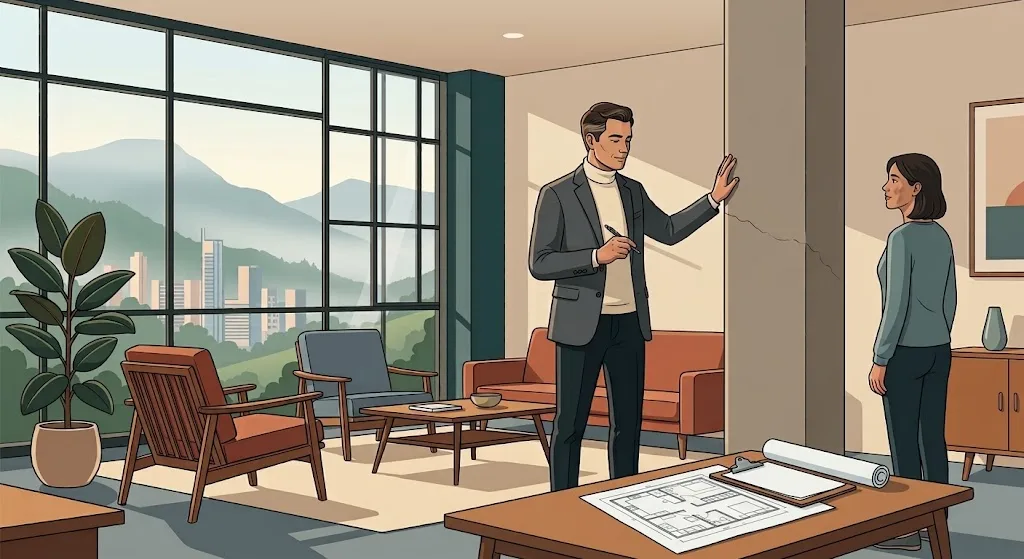
Clic para ampliar escenaClick to enlarge scene
5Parte 5 — El Dilema de la Responsabilidad Civil y SocialPart 5 — Civil & Social Responsibility Dilemma
Elige una de las dos posturas y redacta un párrafo de opinión (50–75 palabras) usando al menos 2 palabras de vocabulario (ej: afrontar, incertidumbre, siniestro) y un condicional compuesto (habría + participio):Choose one stance and write an opinion paragraph (50–75 words) using at least 2 vocabulary words and one conditional perfect structure:
Postura A (Seguro Social Universal):Stance A (Universal Public Insurance):El Estado debería financiar un seguro sísmico universal para todas las viviendas, ya que la seguridad no debe depender del dinero individual.The State should fund universal disaster insurance for all homes, as basic security should not depend on personal wealth. Postura B (Responsabilidad Individual Privada):Stance B (Private Individual Responsibility):Cada propietario debe asumir el costo y riesgo de su vivienda con pólizas privadas; el gobierno no tiene la obligación de asegurar bienes particulares.Each homeowner must bear the risk and cost of their private home; public funds should not insure private assets.
6Parte 6 — Redacción Formal: La Notificación Tardía del SiniestroPart 6 — Formal Writing: Delayed Insurance Claim Notice
Imagina que un sismo agrietó una pared de tu vivienda, pero pasaron 5 días antes de poder avisar a la aseguradora por falta de luz y teléfono. Redacta una carta breve y formal justificando el retraso con la fórmula "Yo habría llamado antes para reportar el siniestro, pero...":Imagine an earthquake cracked a wall in your home, but 5 days passed before you could contact the insurer due to power and phone outages. Write a concise formal note justifying the delay:
Señores: Compañía Aseguradora del Riesgo S.A. — Asunto: Reporte extemporáneo por fuerza mayor
Lista de Autocontrol B1:B1 Self-Check Checklist:
¿Usaste correctamente Si + hubiera + participio, habría + participio?Did you accurately use Si + hubiera + participio, habría + participio?
Respuestas y Autocorrección (Haz clic para revisar)Answer Key & Self-Check (Click to expand)
Parte 3 (Comprensión):1. La ley lo exige para proteger la solvencia del sistema financiero (evitar que los bancos quiebren con hipotecas impagas) y salvaguardar la vivienda de los ciudadanos como patrimonio social.
2. No pagará por ellos con la póliza básica obligatoria, porque esta solo ampara la estructura física destructible del inmueble (columnas, placas, vigas); los muebles y enseres personales requieren una póliza voluntaria adicional de contenidos.
Ejercicio B (Modelo):"Si yo hubiera estado en el piso 15 durante el sismo, me habría resguardado junto a una columna estructural resistente y no habría usado los ascensores."
Guarda tu progreso
Tus respuestas no se guardan en el servidor.
Para no perder tu trabajo, presiona "Guardar como PDF" abajo (o Ctrl/Cmd + P).
Elige "Guardar como PDF" como destino.
Envía el PDF a tu profesor: aprendecontucaneo@gmail.com
Imagen ampliada · Haz clic afuera o presiona ESC para cerrarExpanded image · Click outside or press ESC to close
Sigue practicando el pasado hipotético y situaciones de riesgoKeep practicing the hypothetical past & risk situations
Tres materiales del mismo módulo, gratis y sin registrarte.Three more materials from this module — free, no sign-up.
Finished this worksheet? Let’s practice speaking it out loud!
Hi, I’m Camilo — I made this worksheet. In a free 20-minute call I’ll check your level and show you exactly how to start speaking. No pressure, no commitment.
¿Eres abogado o profesional de negocios? Conoce nuestro programa especializado: Español Jurídico B2B.Are you an attorney or business professional? Explore our specialized B2B Legal Spanish Program: Legal Spanish for Lawyers.

 El Estilo IndirectoWorksheet B1-C1
 La Guardiana de los PingüinosWorksheet B1
 Viaje a la PatagoniaWorksheet B1